Wightwick Hall School

School History
Welcome to the history of Wightwick Hall School
Our beautiful 11-acre grounds and historic buildings have a rich and fascinating past, evolving from a grand Victorian estate into a thriving modern special school.
Across our long history, our core mission has remained unchanged: "Developing Life Skills through Education." Today, our modern vision is simple yet ambitious: to encourage every student to "be curious and thrive together."
Origins and Early Days
The main building was originally built in 1892 by the prominent industrialist Sir Alfred Hickman.
In its early days, the grand late-19th-century estate was known as Tinacre Hall.
Wightwick Hall During the War
During the Second World War, the hall stepped up to serve the nation as a vital, active military base.
- Air Defence Headquarters: The National Archives record that the hall was requisitioned by the military to serve as a strategic command base and HQ for local Heavy Anti-Aircraft (HAA) artillery guns, protecting the industrial West Midlands from enemy air raids.
- WAAF and Allied Presence: Part of the estate grounds housed personnel from the Women's Auxiliary Air Force (WAAF).
- A Famous Wartime Visitor: The site was so significant to the war effort that in June 1942, the famous three-star American Lieutenant General Mark Clark flew into nearby RAF Perton to visit the command base at Wightwick Hall.
The Story of Our Station Clock
One of the most unique features of Wightwick Hall School is our famous two-faced railway clock.
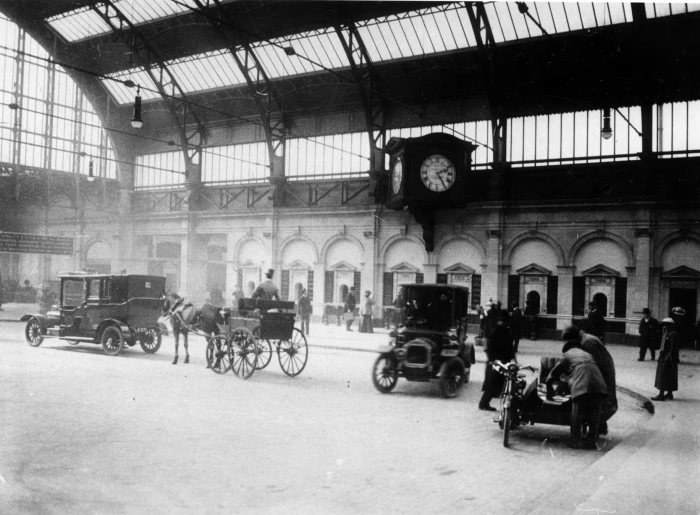
- The Origin: The historic, 150-year-old Roman numeral clock originally hung proudly in the concourse of the bustling Birmingham Snow Hill railway station from 1911 until the station was demolished in the late 1960s.
- Saved from History: When the old station was pulled down, this beautiful piece of transport heritage was rescued and given a permanent new home at Wightwick Hall School, where it stands as a proud emblem of the school’s legacy.
The Train Named 'Wightwick Hall'
Our historic home doesn’t just share a history with railway clocks—it also has a famous steam engine named after it!
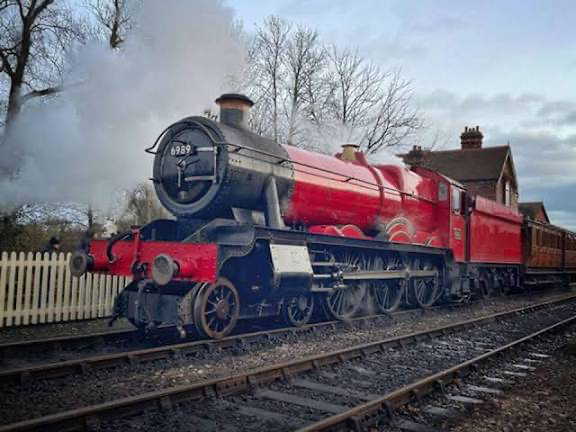
- A Great Western Legend: Built in Swindon in 1948, the No. 6989 'Wightwick Hall' is a Modified Hall Class steam locomotive. It travelled over 640,000 miles across the UK network, famously pulling fast express trains, freight, and even "football specials" to Wembley.
- From Scrap to Movie Star: After being retired in 1964 and saved from a Welsh scrapyard, volunteers spent 40 years meticulously restoring the engine. Today, this magnificent train has traded regular heritage passenger rides to become a global superstar—it was chosen to play the iconic Hogwarts Express in the high-profile Harry Potter television series, proudly wearing a shiny new red livery.
The History of Education at the School
Wightwick Hall officially opened its doors as a school in 1956.
- 1950s–1960s: It was originally established as a residential boarding school. The former estate outbuildings were converted into classrooms, and concrete-framed teaching blocks were added in the 1960s to support the growing number of pupils.
- Becoming an Academy: In 2017, the school transitioned to a Special Converter Academy and proudly joined the Endeavour Multi Academy Trust.
Our Core School Values
Just as our historic grounds have stood strong through changing times, we teach our students to build a firm foundation for their own futures. Everything we do in our community today is built upon three important values:
- Ready: Be prepared to learn, take part, try new things, and give your best each day.
- Respectful: Treat yourself, others, and our school environment with care and kindness.
- Resilient: Keep going when things are difficult, learn from setbacks, and celebrate every bit of progress.
Today, we look back on a proud 70-year history of education. We provide an outstanding, holistic, and personalised learning experience for students aged 11 to 19 with special educational needs and disabilities (SEND). By valuing Student Voices and fostering true independence, we remove barriers so that every young person can take confident steps toward a successful future.